


Maintenance Animal Propagation (MAP) Project
Success of land-based coral nurseries depends on the skill and dedication of coral aquarists, but it also is rooted in the efforts of special marine invertebrates, like shrimp, crabs, snails and urchins, that are housed together with corals. These underwater maintenance crews consume organic material and algae that can accumulate in coral aquarium systems and cause health issues for the coral.
Often these animals are collected from wild populations found on and around the reefs from which the corals came. Culturing these animals in human care can reduce collection pressure on wild marine invertebrate populations and provide the animals needed to service the many coral aquariums holding rescue corals around the country.
The Maintenance Animal Propagation Project aims to create a production network of aquaculture operations across the US to advance the science of maintenance animal culture through research, develop of animal culturing techniques, and produce the numbers and varieties of maintenance animals needed for both coral broodstock and propagation/growout aquarium systems.
MAP Leadership

Matt Wade
The Florida Aquarium
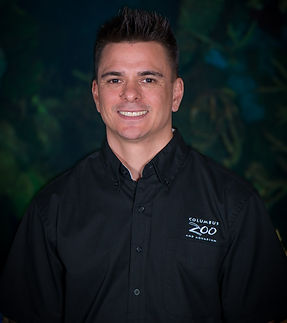
Ramon Villaverde
Columbus Zoo and Aquarium

Noel Heinsohn
John G. Shedd Aquarium
MAP Project Collaborators
The Florida Aquarium
Columbus Zoo and Aquarium
John G. Shedd Aquarium
Aquatic Lifesupport Installation LLC
Biota Group
Bowling Green State University
Carteret Community College
Georgia Aquarium
Greensboro Science Center
Jacksonville Zoo
Minnesota Zoo
Mote Marine Laboratory
North Carolina Aquarium- Pine Knoll Shores
Nova Southeastern University
Omaha's Henry Doorly Zoo
St Louis Zoo
University of Florida
University of Miami

Giving coral caregivers and helping hand.....
The MAP Project is focusing initial propagation efforts on three very special species that are critical the upkeep of land-based coral aquarium systems:
Chestnut turban snails (Turbo castanea)
Pin cushion sea urchins (Lytechinus sp.)
Peppermint shrimp (Lysmata sp.)


